What Are the Benefits of Our UK Made Furniture?
What Are the Benefits of Our UK Made Furniture?
Where a sofa is made can influence much more than the label attached underneath it. The location and method of manufacture can affect how easily a piece can be customised, how closely production is monitored and what happens if a customer needs advice about their furniture later.
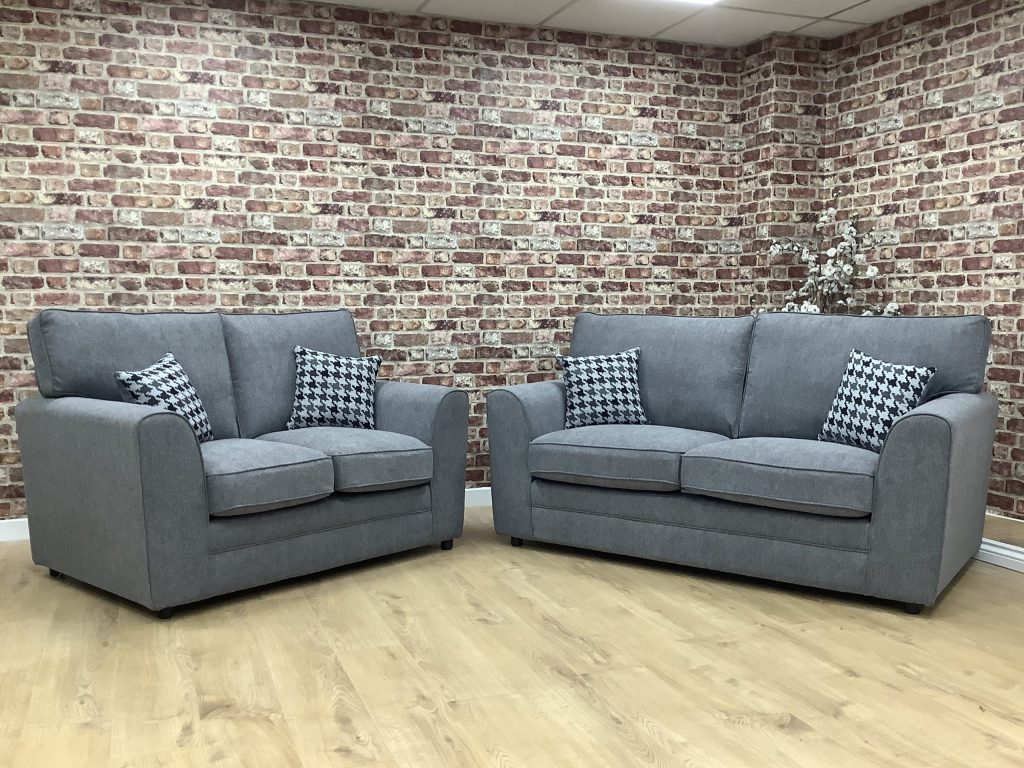
At Oakland Furnishings, our sofas are handmade in the UK rather than produced through large-scale batch manufacturing. For anyone comparing British-made furniture with mass-produced alternatives, there are several practical differences worth understanding.
What Does Handmade Furniture Mean in Practice?
Handmade does not mean that every part is produced without machinery. Modern furniture workshops use specialist tools alongside skilled manual work.
The difference is that much of the construction and upholstery process is completed by people who can assess the furniture as it progresses. Fabric needs to be positioned correctly, seams aligned, cushioning fitted and upholstered sections finished neatly.
This matters particularly with sofas because small inconsistencies can become noticeable once several metres of fabric are stretched across a frame.
At Oakland Furnishings our sofas are made by hand in-house in the UK, without batch production. That manufacturing approach allows each piece to receive attention throughout assembly rather than simply moving through a high-volume production line.
Why Can UK Manufacturing Offer More Choice?
A sofa is a large part of a living room, so being able to adjust its appearance can make it easier to fit the furniture around the home.
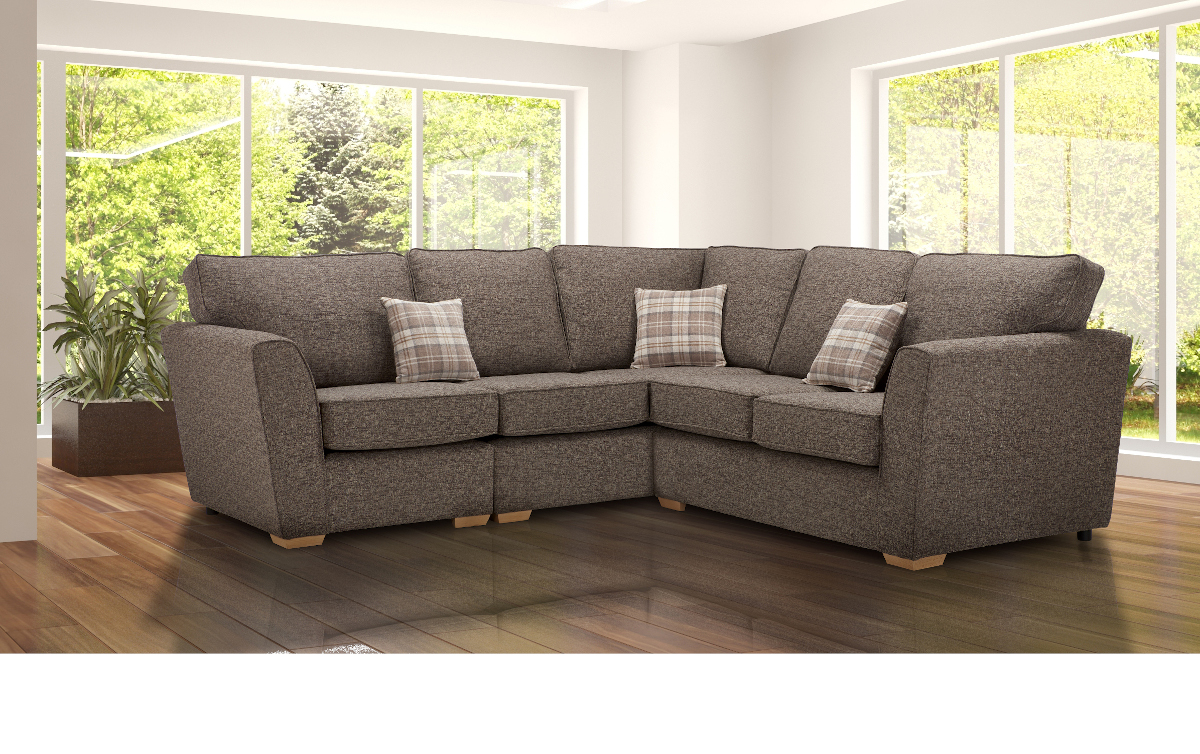
Producing furniture to order can give manufacturers more flexibility over fabrics, colours and configurations. For example, our Louise Corner Sofa can be ordered in different fabrics, with a choice of back cushion styles and either left or right-hand facing layouts.
Other ranges offer different choices. The Newbury collection, for instance, includes a choice of seat interiors, fabrics and wood finishes.
These details matter when somebody is furnishing an awkward room, matching existing furniture or simply wants a sofa that feels more personal than an off-the-shelf design.
Does Making Furniture in the UK Make Communication Easier?
Local production can shorten the chain between the customer, retailer and workshop.
If a question arises about a fabric, configuration or specification, there are fewer stages involved than when furniture is being produced thousands of miles away through several suppliers and importers.
That can be particularly useful with made-to-order furniture. Measurements and options can be confirmed before production starts, reducing the likelihood of discovering later that an assumption has been made incorrectly.
It can also make conversations about unusual requirements more practical because the people selling the furniture have closer access to the manufacturing process.
Can UK-Made Furniture Reduce Transport Complexity?
Furniture manufactured overseas may travel between factories, ports, distribution centres and warehouses before reaching the customer.
Producing sofas within the UK reduces the international part of that journey. This does not automatically mean every UK-made sofa has a lower environmental impact, as materials, production methods and delivery distances all matter. It can, however, remove some of the long-distance freight associated with importing a finished piece of furniture.
There is also less exposure to international shipping delays, port disruption or lengthy overseas transport schedules.
Why Does Made-to-Order Production Help Avoid Unnecessary Stock?
Large-scale furniture production often relies on predicting which colours, sizes and styles customers will buy, then manufacturing stock in advance.
Made-to-order manufacturing works differently. The sofa enters production once the specification has been chosen.
This can reduce the need to manufacture large quantities of finished furniture that may sit in storage waiting for a buyer. It also allows greater variety without requiring every possible fabric and configuration to exist as a completed sofa in a warehouse.
Does Buying British-Made Furniture Guarantee Better Quality?
Country of manufacture alone does not determine quality. The materials, frame construction, upholstery, cushioning and standard of workmanship all matter.
The benefit of UK manufacturing is that production can be kept closer to the business selling the finished furniture. For our team at Oakland Furnishings, this includes making sofas in-house and offering made-to-order options across its collections.
For customers, the sensible approach is still to look beyond the “Made in Britain” description. Sit on the sofa where possible, examine the upholstery, compare specifications and ask how the furniture is constructed.
Ultimately, the value of UK-made furniture lies in the combination of local production, skilled workmanship, practical customisation and closer control over how each piece is made.
FAQs
Is All Oakland Furnishings Furniture Made in the UK?
Oakland Furnishings states that its sofas are handmade in-house in the UK. Individual product specifications should be checked when purchasing other types of furniture or accessories.
Can UK-Made Sofas Be Customised?
Many made-to-order sofas offer choices such as fabric, colour, configuration and cushion style. Available options depend on the individual range.
Does Handmade Mean a Sofa Is Completely Made Without Machinery?
No. Furniture workshops use specialist machinery and tools, while skilled craftspeople carry out and oversee important stages of construction, assembly and upholstery.
Are UK-Made Sofas More Sustainable?
Local manufacture can reduce the distance a finished sofa needs to travel internationally, although overall sustainability also depends on materials, manufacturing methods, durability and delivery.
Why Is Made-to-Order Furniture Useful?
It allows the sofa to be produced once the customer has chosen their preferred specification, providing more flexibility and reducing the need to hold every possible combination as finished stock.