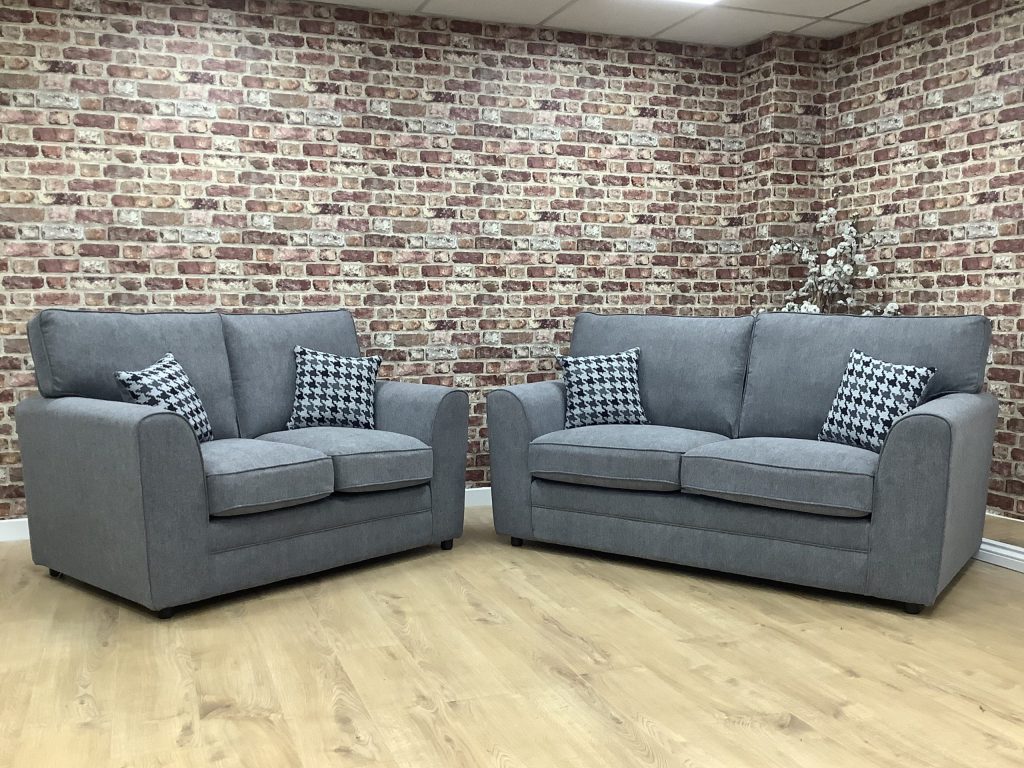
How are UK Living Trends Impacting Sofa Design?
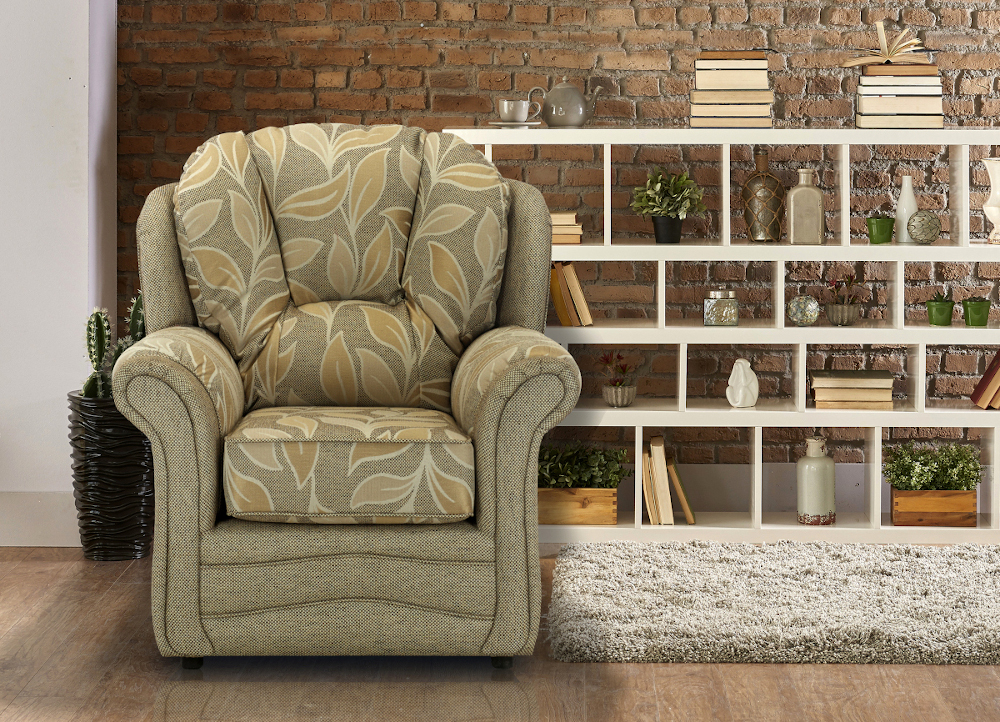
How are UK Living Trends Impacting Sofa Design?
The way people use their homes in the UK has shifted over recent years, and sofas have quietly adapted alongside those changes. What used to be a simple piece of furniture for sitting has become something more flexible. It now needs to support working from home, family time, and everyday living, often within the same space.
These changes are shaping how sofas are designed, from their size and layout to the materials used.
Smarter layouts for smaller homes
Many homes, particularly in towns and cities, are working with limited floor space. This has led to a move towards sofas that can fit comfortably into smaller rooms without overwhelming them.
Compact designs, slimmer arms, and raised legs are being used more often. These details may seem small, but they help create a sense of space by allowing more sunlight to pass through the room.
Corner sofas are also being adapted to suit tighter layouts. Instead of large, fixed shapes, more modular options are appearing. These can be arranged to suit the room rather than forcing the room to fit around the sofa.
Flexible furniture for multi-use living
Living rooms are no longer used for a single purpose. A space that was once just for relaxing in the evening might now also be used for work during the day or as a place for children to play.
This has influenced how sofas are designed. Features such as modular sections, chaise ends, and built in storage are becoming more common. These allow the sofa to adapt to different uses throughout the day.
For example, a sofa bed can be rearranged to accommodate guests when they come to stay, then returned to its normal layout afterwards. In practice, this flexibility helps households make better use of the space they already have.
Furniture comfort for longer use
With more time being spent at home, comfort has taken on greater importance. Sitting on a sofa for a short period in the evening is very different from using it throughout the day.
This has led to deeper seats, improved cushioning, and better support. People are paying more attention to how a sofa feels over time rather than just how it looks at first glance.
In everyday use, this might mean choosing a sofa that supports good posture during a working day, while still being comfortable enough for relaxing in the evening.
Practical furniture fabric for everyday life
Modern households often need sofas that can cope with regular use, whether that involves children, pets, or simply the pace of daily life.
As a result, there has been a shift towards more durable and easy-to-clean fabrics. Stain resistant materials and removable covers are becoming more common.
These choices reflect how sofas are actually used. Spills, wear, and general use are part of everyday life, so materials that can handle this without too much upkeep are increasingly valued.
How furniture style is changing
While function plays a major role, style has not been left behind. Many people are choosing sofas that reflect a calmer, more relaxed way of living.
Neutral tones, soft textures, and simple shapes are appearing more frequently. These designs tend to work well across different types of interiors and can adapt as tastes change over time.
Rather than making a bold statement, sofas are often designed to sit comfortably within the room, supporting the overall feel of the space.
Modern sofa design reflects how people live, work, and spend time at home. As living trends continue to evolve, sofas are likely to keep adapting in practical ways. From flexible layouts to durable materials, the focus remains on creating furniture that fits into everyday life rather than working against it.
FAQs
Why are sofas becoming more modular?
Modular designs allow sofas to be rearranged to suit different room layouts and uses.
Are compact sofas suitable for small living rooms?
Yes, designs with slimmer proportions and raised legs can help make smaller spaces feel more open.
What fabrics are best for busy households?
Durable and stain resistant fabrics are often chosen for homes with children or pets.
How has working from home affected sofa design?
There is more focus on comfort and support for longer periods of sitting.
Do neutral sofa colours work in all interiors?
Neutral tones can adapt to different styles and are often easier to update with accessories over time.