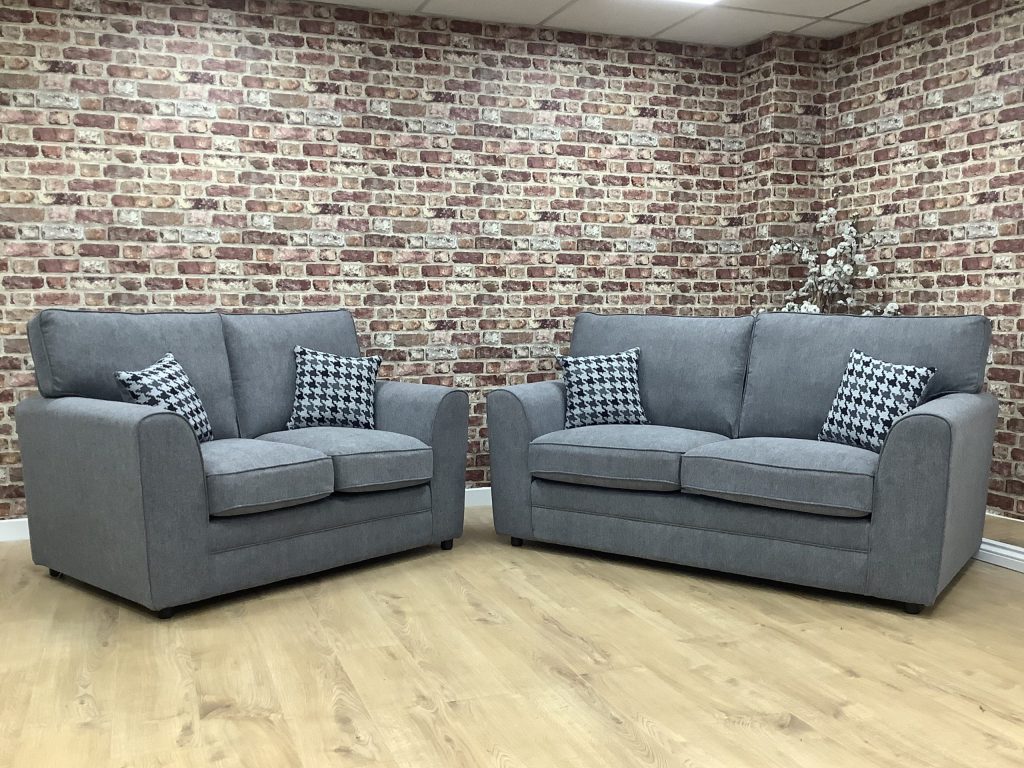
How to Design a Statement Wall Behind Your Sofa

How to Design a Statement Wall Behind Your Sofa
A statement wall behind a sofa can change the feel of a living room without the need for major renovation. It draws the eye, frames the seating area, and helps define the space. When done thoughtfully, it adds personality and balance rather than overwhelming the room. The key is understanding how the wall and the sofa work together rather than treating them as separate features.
Consider the whole room
Before choosing colours or finishes, take a step back and look at the room as a whole. Light levels, ceiling height, and how the space is used all affect what will work. A small room with limited natural light may benefit from softer tones or textured finishes that add interest without making the space feel closed in. Larger rooms can handle bolder colours or more dramatic materials because there is more visual space to absorb them.
Think about how often the room is used and by whom. A family living room may need finishes that are easy to live with, while a more formal space can lean towards something more expressive.
Choose colour with purpose
Colour is often the first thing people think of when creating a statement wall. Dark shades can add depth and make a sofa feel grounded, while lighter tones can lift the space and highlight the furniture shape. What matters most is how the colour interacts with the sofa upholstery.
If your sofa is neutral, the wall can take on more character through colour. If the sofa already has a strong colour or texture, a calmer backdrop often works better. Testing samples on the wall and viewing them at different times of day helps avoid surprises once the paint is dry.
Explore texture and material
A statement wall does not have to rely on paint alone. Texture can create interest in a more subtle way. Wood panelling, fabric wall coverings, or even a simple limewash finish can add depth without feeling busy.
Texture is particularly effective behind a sofa because it sits at eye level when seated. This makes the wall feel more engaging and helps the room feel layered rather than flat. Practical considerations matter too. Some materials show marks more easily, so think about how the space is used day to day.
Think about scale and proportion
Artwork, shelving, or decorative panels should relate to the size of the sofa. A small piece centred above a large sofa can look lost, while oversized art may dominate a compact room. Aim for balance rather than symmetry.
As a general guide, artwork or features should span around two thirds of the sofa width. This creates a visual connection without making the wall feel crowded. Leaving some space around the edges helps the eye rest.
Lighting makes the difference
Lighting often gets overlooked, but it plays a big role in how a statement wall feels. Wall lights or picture lights can draw attention to texture or artwork and add warmth in the evening. Soft, directional lighting tends to work better than harsh overhead light, which can flatten the effect.
If possible, consider lighting early in the process so cables or fittings can be planned neatly.
Let the wall support the sofa
The most successful statement walls feel like they belong with the sofa rather than competing with it. The wall should frame the seating area and support the overall mood of the room. When colours, textures, and proportions are chosen with the sofa in mind, the result feels intentional and comfortable.
Designing a statement wall is less about following trends and more about responding to how you live in the space. Small, considered choices usually have the greatest impact.
FAQs
Should the statement wall always be behind the sofa?
Often yes, as it naturally draws attention to the main seating area, but it depends on the layout of the room.
Can a statement wall work in a small living room?
Yes, when colour and texture are chosen carefully and the wall does not feel visually heavy.
Is paint better than wallpaper for a statement wall?
Both can work well. The choice depends on the look you want and how easy the surface is to maintain.
How high should artwork be above a sofa?
A good starting point is to hang artwork so the centre sits just above eye level when seated.
Should the statement wall match other rooms in the house?
It does not need to match exactly, but some connection in tone or style helps the home feel cohesive.